Carol Rogers Brings a State and Local Data Perspective to Senate AI Workforce Hearing
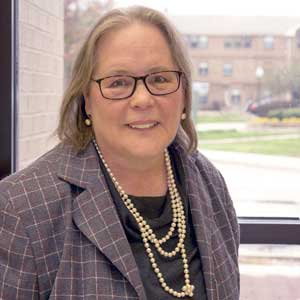
Better workforce data will determine whether the nation can respond effectively to AI-driven economic change. C2ER Board member and Immediate Past Chair Carol O. Rogers, CERP, delivered that message during a recent hearing of the U.S. Senate Committee on Health, Education, Labor and Pensions.
Rogers, director of the Indiana Business Research Center at Indiana University’s Kelley School of Business, testified on July 29 before the Subcommittee on Employment and Workplace Safety. The hearing examined AI’s impact on workers and the proposed AI Workforce PREPARE Act.
Her testimony cautioned against simple predictions about widespread job loss. The emerging evidence instead points to uneven changes in occupations, job tasks, wages, industries, and regions. AI may reduce demand for some roles while increasing productivity, wages, and demand for other skills. These changes can differ substantially across states and local economies.
Rogers emphasized that AI workforce policy will only be as reliable as the data supporting it. State unemployment insurance wage records and longitudinal education and workforce systems already provide detailed information about employment and earnings. However, federal occupational classifications and projections often update too slowly to capture how AI is changing specific job tasks and skill requirements.
She urged Congress to:
-
- Expand task- and skill-level analysis using O*NET.
- Connect federal AI research efforts with existing state data systems.
- Improve researcher access to federal workforce data.
- Develop consistent standards for employer reporting of AI-related workforce changes.
- Validate voluntarily reported AI data against independent administrative records.
- Invest adequately in BLS, state data modernization, and technical assistance.
These recommendations carry direct implications for C2ER members. Workforce funding, education programs, economic development strategies, and career guidance all depend on timely, comparable, and locally relevant information. Poor data can lead to poorly targeted training investments and missed opportunities for workers.
Carol’s testimony demonstrates the value that state and regional researchers bring to national policy discussions. It also reinforces C2ER’s commitment to improving the availability, analysis, and use of data so communities can navigate economic change with greater confidence.